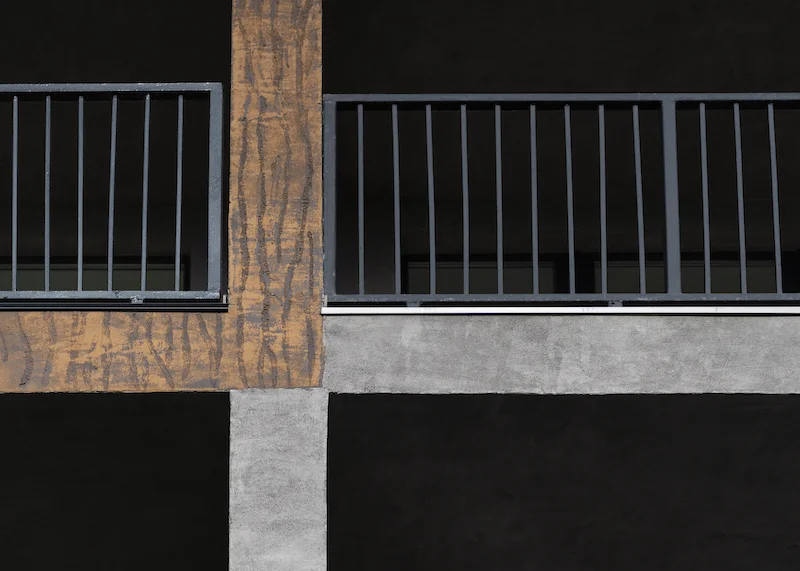
Proper maintenance ensures your metal balustrades remain safe, functional, and attractive for decades in Sydney's unique climate. This comprehensive guide covers everything you need to know about caring for different types of metal balustrades, with specific considerations for coastal versus inland properties.
Understanding Your Balustrade Material in Sydney's Climate
Powder-Coated Steel Balustrades
Most common residential installation across Sydney's Northern Beaches and Eastern Suburbs. These require regular but simple maintenance, with increased attention needed in coastal areas due to salt exposure:
- Coastal properties (within 1km of beach): Monthly cleaning recommended
- Inland properties: Quarterly cleaning sufficient
- UV protection: Essential in Sydney's intense summer sun
Stainless Steel Balustrades
Low-maintenance option ideal for coastal areas and high-traffic locations throughout Sydney:
- Grade 316 stainless steel: Best for coastal Northern Beaches installations
- Grade 304 stainless steel: Suitable for inland North Shore properties
- Self-healing properties: Minor scratches disappear naturally
Aluminium Balustrades
Naturally corrosion-resistant with minimal maintenance requirements, perfect for Sydney's varied climate:
- Anodised finish: Excellent UV resistance for harsh Australian sun
- Powder-coated options: Wide colour range with good durability
- Thermal expansion: Minimal movement in Sydney's temperature variations
Sydney-Specific Maintenance Schedule
Weekly Maintenance (High-Traffic Areas)
- Wipe down handrails with damp cloth (daily for pool areas)
- Remove obvious dirt, salt deposits, and debris
- Check for loose connections after strong winds
- Clear drainage points of leaves and debris
Monthly Deep Clean (Coastal Properties)
- Wash with mild detergent solution to remove salt buildup
- Rinse thoroughly with fresh water from top to bottom
- Dry with soft cloth to prevent water spots and mineral deposits
- Inspect for signs of wear, corrosion, or UV damage
- Check pool area compliance with AS 1926 standards
Quarterly Inspection (All Properties)
- Check all fixing points and bolts for thermal movement damage
- Examine coating condition for UV degradation and chalking
- Test structural integrity and stability
- Document any issues for professional assessment
- Review Australian Standards compliance
Sydney Climate Considerations
Coastal vs Inland Maintenance Differences
Coastal Properties (Northern Beaches, Eastern Suburbs waterfront)
- Salt exposure: Daily salt spray requires frequent cleaning
- Increased corrosion risk: Monitor for early signs of rust or pitting
- Wind-driven debris: Sand and organic matter accumulation
- Higher humidity: Extended drying times, mould prevention needed
Inland Properties (North Shore, Western suburbs)
- Dust accumulation: Red dust from westerly winds requires regular removal
- Temperature extremes: Greater thermal expansion and contraction
- Lower corrosion risk: Standard maintenance schedules sufficient
- Pollution exposure: Urban pollutants require periodic deep cleaning
Cleaning Products and Techniques for Australian Conditions
Safe Cleaning Solutions
- General cleaning: Mild dish soap and warm water (pH neutral)
- Salt removal: Fresh water rinse followed by vinegar solution (1:10 ratio)
- Stubborn stains: Isopropyl alcohol (70%) for organic deposits
- Stainless steel: Specialized marine-grade stainless steel cleaner
- Powder coating: Car wash soap for gentle but effective cleaning
Products to Avoid in Australian Climate
- Abrasive cleaners or steel wool (damages protective coatings)
- Bleach or chlorine-based products (accelerates corrosion)
- Acidic cleaners (can etch powder coating in hot weather)
- High-pressure water blasting (forces water into joints)
- Wax-based products (trap salt and pollutants)
Australian Seasonal Maintenance Calendar
Pre-Summer Preparation (October-November)
- Deep clean before intense UV exposure period
- Check coating condition before extreme heat and storms
- Clear gutters and drainage systems (bushfire season prep)
- Apply UV-resistant treatments if needed
- Ensure pool balustrades meet current safety standards
- Remove combustible debris (bushfire risk reduction)
Summer Care (December-February)
- Increase cleaning frequency due to salt air and dust storms
- Monitor for thermal expansion effects on fixings
- Check drainage after intense summer storms
- Remove organic debris that could create fire hazards
- Schedule early morning or late evening maintenance (avoid peak heat)
- Watch for UV-related coating degradation
Autumn Maintenance (March-May)
- Assess summer damage and plan repairs
- Clear fallen leaves and organic debris
- Check for storm damage from late summer weather
- Prepare for winter moisture and reduced drying conditions
Winter Care (June-August)
- Clean after dust storm season ends
- Check for pooling water issues (Southern and Western Sydney)
- Inspect for frost damage in higher elevation areas
- Clear accumulated leaf litter and debris
- Monitor drainage during winter rain periods
When to Call Sydney Professionals
Warning Signs Requiring Professional Attention:
- Structural issues: Loose or wobbly sections (thermal movement damage)
- Corrosion signs: Visible rust or pitting (especially coastal installations)
- Coating failure: Cracked or peeling powder coating (UV degradation)
- Foundation problems: Damaged fixing points (concrete cancer, substrate issues)
- Standards compliance: Non-compliance with current Australian Standards (AS 1926)
- Safety concerns: Pool area balustrade integrity issues
- Professional assessment needed: After severe weather events or bushfires
Extending Balustrade Lifespan in Sydney's Environment
With proper care adapted to Sydney's unique climate conditions, quality metal balustrades can last 25-35 years:
- Prompt attention: Address issues immediately when identified
- Climate-appropriate schedules: Increase frequency in coastal areas
- Correct products: Use appropriate cleaners and techniques for your environment
- Professional inspections: Schedule expert assessment every 2-3 years
- Preventive measures: Install drainage, choose appropriate materials for location
- Standards compliance: Ensure ongoing compliance with Australian safety standards
Sydney Location-Specific Tips
Northern Beaches Properties
- Daily salt spray exposure requires frequent cleaning
- Sand accumulation in crevices needs regular removal
- Choose marine-grade materials for new installations
- Consider protective coatings for enhanced durability
Eastern Suburbs Properties
- Varied exposure levels depending on distance from coast
- Strong easterly winds carry salt and debris
- Urban pollution combines with salt exposure
- Regular assessment of coating condition essential
North Shore Properties
- Generally lower corrosion risk than coastal areas
- Dust and pollution require regular cleaning
- Temperature variations affect expansion joints
- Standard maintenance schedules usually sufficient
Professional Maintenance Services
A&E Metal Craft offers comprehensive inspection and maintenance services tailored to Sydney's unique climate conditions. Our team understands the specific challenges faced by coastal and inland properties throughout the Northern Beaches, Eastern Suburbs, and North Shore.
Schedule Professional Inspection