Understanding Custom Metal Fabrication Pricing Factors
By A&E Metal Craft Team
August 15, 2025
8 min read
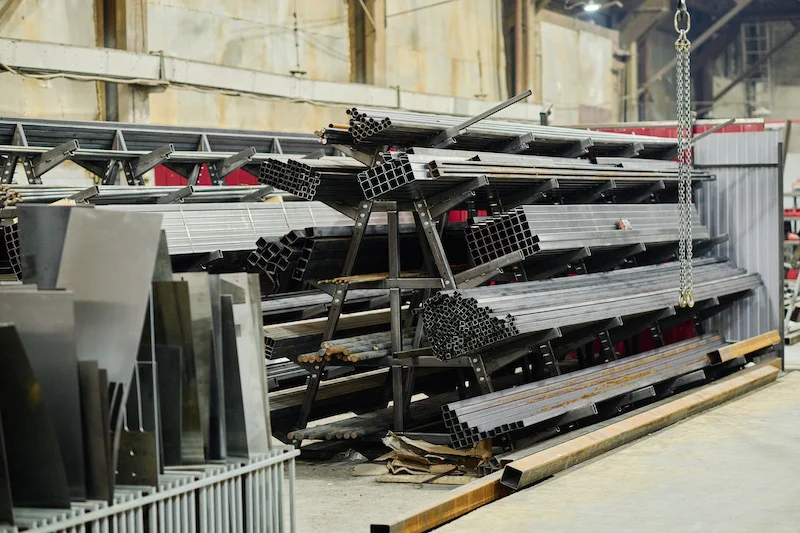
Understanding the factors that influence custom metal fabrication pricing is crucial for planning your architectural or residential project. Costs vary significantly based on unique project requirements, making custom quoting essential for accurate budgeting.
Key Factors Affecting Metal Fabrication Investment
1. Material Selection Impact
- Mild Steel: Most cost-effective initial investment, requires protective coating consideration
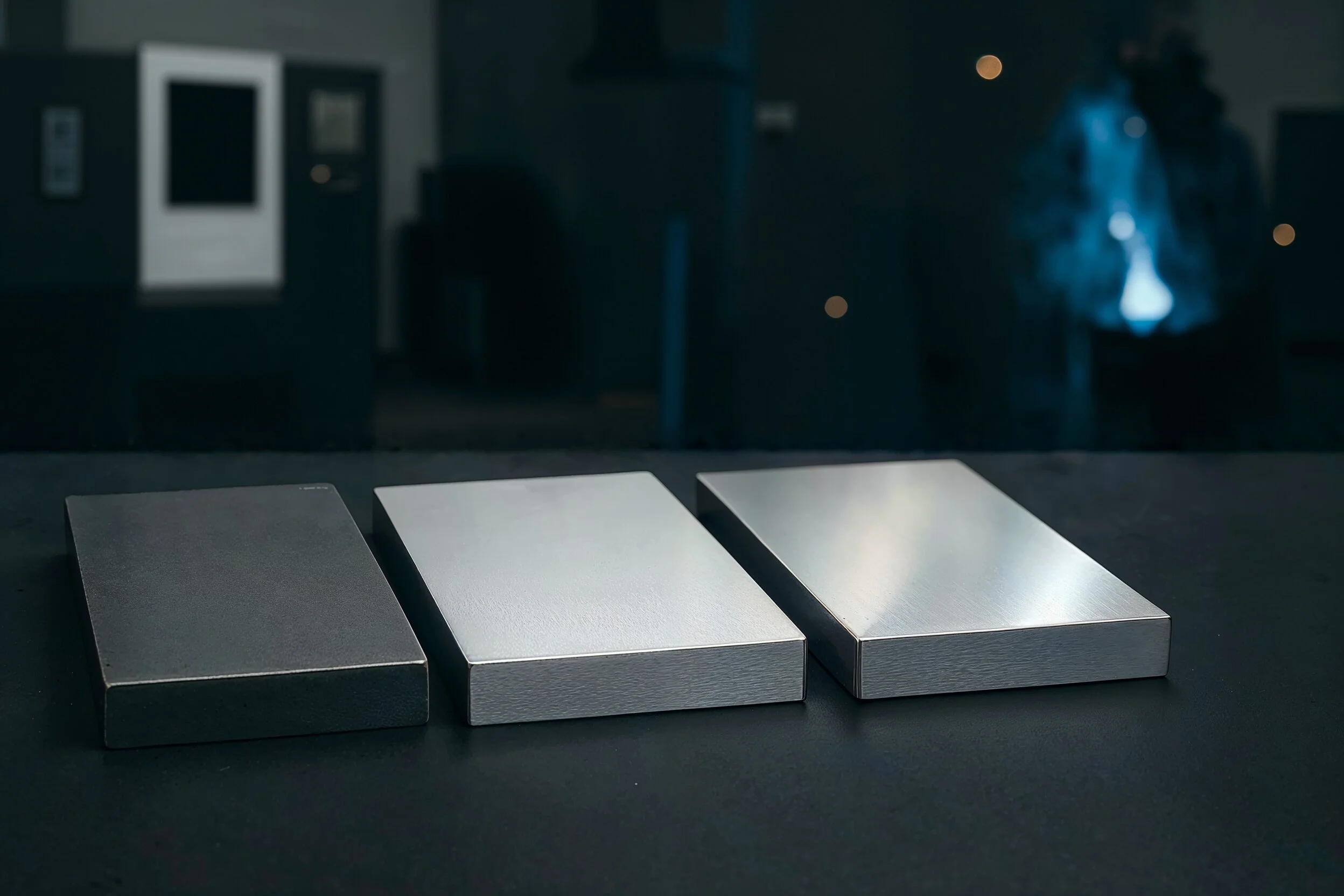
- Stainless Steel: Premium material offering superior corrosion resistance and longevity
- Aluminium: Lightweight option with excellent durability and natural corrosion resistance
- Specialty Alloys: Application-specific materials for unique environmental or performance requirements
2. Design Complexity
Simple geometric designs cost significantly less than intricate architectural features. Complex curves, detailed patterns, and custom finishes can increase costs by 30-100%.
3. Size and Scale
Larger projects benefit from economies of scale, while smaller custom pieces often have higher per-unit costs due to setup and design time.
Understanding Project Investment Levels
Simple Gates
Basic residential entrance gates with standard materials and finishes. Investment varies based on size, materials, and access requirements.
Balustrades
Linear installations with varying complexity. Pricing depends on design intricacy, materials selected, and site-specific requirements.
Architectural Features
Complex custom metalwork requiring specialised design and fabrication. Each project demands individual assessment and bespoke quoting.
How to Get Accurate Quotes
For precise pricing on your project:
- Provide detailed drawings or sketches
- Specify material preferences
- Include finish requirements
- Clarify installation needs
- Discuss timeline requirements
Ready for Your Custom Assessment?
Contact A&E Metal Craft for a personalized consultation and detailed quote on your custom metal fabrication project.
Request Custom Quote
Steel vs Aluminium vs Stainless Steel: Which Metal for Your Project?
By A&E Metal Craft Team
June 12, 2025
6 min read
Choosing the right metal for your fabrication project is crucial for performance, longevity, and cost-effectiveness. Each material has unique properties that make it suitable for specific applications.
Mild Steel: The Versatile Workhorse
Best For:
- Structural applications
- Indoor metalwork
- Budget-conscious projects
- Painted or powder-coated finishes
Pros:
- Most cost-effective option
- Easy to work with and modify
- Strong and durable
- Readily available
Cons:
- Susceptible to rust without protection
- Requires regular maintenance
- Heavier than aluminium
Aluminium: Lightweight and Corrosion-Resistant
Best For:
- Coastal environments
- Modern architectural features
- Weight-sensitive applications
- Natural finish preferences
Pros:
- Naturally corrosion-resistant
- Lightweight (1/3 weight of steel)
- Low maintenance requirements
- Excellent for anodised finishes
Cons:
- Higher material cost than steel
- Softer than steel (can dent easier)
- Limited strength for heavy-duty applications
Stainless Steel: Premium Performance
Best For:
- High-end architectural features
- Marine environments
- Food service applications
- Long-term investments
Pros:
- Superior corrosion resistance
- Attractive natural finish
- Minimal maintenance required
- Strong and durable
Cons:
- Highest material cost
- More challenging to fabricate
- Can show fingerprints and water spots
Making the Right Choice
Quick Decision Guide:
- Budget Priority: Mild Steel
- Coastal Location: Aluminium or Stainless Steel
- Heavy-Duty Structural: Mild Steel
- Modern Aesthetic: Aluminium or Stainless Steel
- Low Maintenance: Stainless Steel
Need Material Advice?
Our experts can help you choose the perfect metal for your specific project requirements.
Consult Our Experts
Top 7 Architectural Metal Design Trends for Modern Buildings
By A&E Metal Craft Team
April 28, 2025
7 min read
Architectural metalwork continues to evolve, with new trends emerging that combine functionality, sustainability, and striking visual appeal. Here are the top trends shaping modern metal fabrication in 2025.
1. Minimalist Geometric Patterns
Clean lines and simple geometric shapes dominate modern architectural metal design. This trend emphasizes functionality while creating visual interest through repetition and proportion rather than ornate decoration.
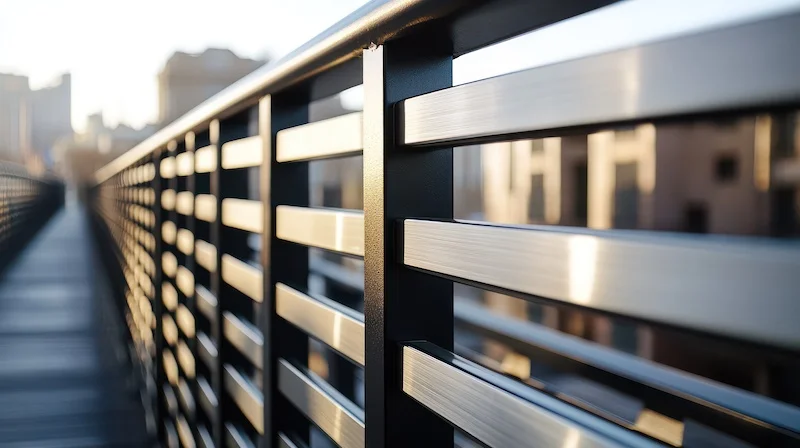
- Linear balustrade designs
- Grid-pattern screens
- Simple rectangular frames
2. Mixed Material Integration
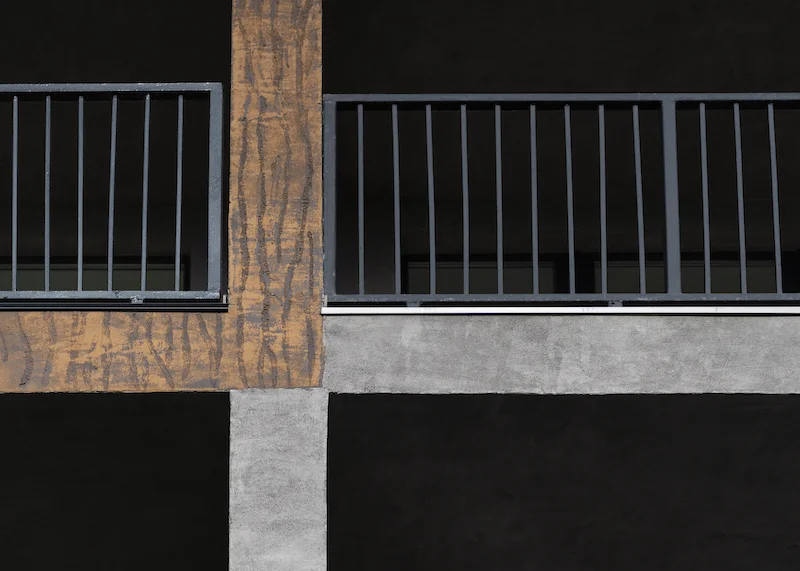
Combining metal with other materials like timber, glass, and concrete creates dynamic contrasts and adds warmth to industrial aesthetics.
3. Weathering Steel (Corten) Features
The distinctive rust-like patina of weathering steel provides both protection and unique aesthetic appeal, perfect for feature walls and sculptural elements.
4. Perforated Metal Screens
These versatile elements provide privacy, sun control, and visual interest while maintaining airflow and partial visibility.
- Custom perforation patterns
- Backlighting opportunities
- Functional privacy screening
5. Sustainable Fabrication Practices
Eco-conscious design incorporates recycled materials, energy-efficient production methods, and designs for longevity and recyclability.
6. Powder-Coated Color Statements
Bold colors and unique finishes are replacing traditional metallic appearances, with architects using metal as a canvas for color expression.
7. Integration with Smart Building Systems
Modern metalwork increasingly incorporates technology, from integrated LED lighting to sensors and automated systems.
Implementing These Trends
Consider how these trends might apply to your project:
- What architectural style are you working with?
- How important is maintenance minimization?
- What budget parameters guide your choices?
- Are there specific functional requirements?
Bring Modern Design to Your Project
Let A&E Metal Craft help you incorporate the latest design trends into your architectural metalwork.
Discuss Your Design
Complete Guide to Metal Balustrade Maintenance and Care
By A&E Metal Craft Team
February 20, 2025
9 min read
Proper maintenance ensures your metal balustrades remain safe, functional, and attractive for decades. This comprehensive guide covers everything you need to know about caring for different types of metal balustrades.
Understanding Your Balustrade Material
Powder-Coated Steel Balustrades
Most common residential installation requiring regular but simple maintenance.
Stainless Steel Balustrades
Low-maintenance option ideal for coastal or high-traffic areas.
Aluminium Balustrades
Naturally corrosion-resistant with minimal maintenance requirements.
Regular Cleaning Schedule
Weekly Maintenance (High-Traffic Areas)
- Wipe down handrails with damp cloth
- Remove obvious dirt and debris
- Check for loose connections
Monthly Deep Clean
- Wash with mild detergent solution
- Rinse thoroughly with clean water
- Dry with soft cloth to prevent water spots
- Inspect for signs of wear or damage
Quarterly Inspection
- Check all fixing points and bolts
- Examine coating condition
- Test structural integrity
- Document any issues for professional assessment
Cleaning Products and Techniques
Safe Cleaning Solutions
- General cleaning: Mild dish soap and warm water
- Stubborn stains: Isopropyl alcohol (70%)
- Stainless steel: Specialised stainless steel cleaner
Products to Avoid
- Abrasive cleaners or steel wool
- Bleach or chlorine-based products
- Acidic cleaners (lemon, vinegar)
- High-pressure water blasting
Australian Seasonal Maintenance
Pre-Summer Preparation (October)
- Deep clean before intense UV exposure
- Check coating condition before extreme heat
- Clear gutters and drainage (bushfire season prep)
- Apply UV-resistant treatments if needed
Summer Care (December-February)
- Increase cleaning frequency (salt air, dust storms)
- Monitor for thermal expansion effects
- Check drainage after summer storms
- Remove debris that could create fire hazards
Winter Maintenance (June-August)
- Clean after dust storm season
- Check for pooling water (Southern Australia)
- Inspect for frost damage (higher elevations)
- Clear leaf litter and debris
When to Call Australian Professionals
Warning Signs Requiring Professional Attention:
- Loose or wobbly sections (thermal movement damage)
- Visible rust or corrosion (especially coastal installations)
- Cracked or peeling powder coating (UV degradation)
- Damaged fixing points (concrete cancer, substrate issues)
- Non-compliance with current Australian Standards
- Pool area safety concerns (AS 1926 requirements)
Extending Balustrade Lifespan
With proper care, quality metal balustrades can last 20-30 years or more:
- Address issues promptly when identified
- Maintain regular cleaning schedules
- Use appropriate products and techniques
- Schedule professional inspections every 2-3 years
Professional Maintenance Services
A&E Metal Craft offers professional inspection and maintenance services to keep your balustrades in perfect condition.
Schedule Inspection
What to Expect: The Custom Metal Fabrication Process Step-by-Step
By A&E Metal Craft Team
December 25, 2024
10 min read
Understanding the custom metal fabrication process helps you prepare better for your project and sets realistic expectations for timelines and requirements. Here's your complete guide to what happens from concept to completion.
Phase 1: Initial Consultation and Design (Week 1)
What We Discuss:
- Your vision and functional requirements
- Budget parameters and timeline expectations
- Site conditions and installation considerations
- Material preferences and finish options
- Compliance requirements and building codes
What You Should Prepare:
- Reference images or sketches
- Site measurements or architectural drawings
- Budget range
- Preferred timeline
- Any specific functional requirements
Phase 2: Detailed Design and Engineering (Weeks 2-3)
Our Design Process:
- Technical drawings and 3D modelling
- Structural calculations and load analysis
- Material specifications and sourcing
- Compliance verification
- Final cost estimation
Your Input Required:
- Review and approval of design concepts
- Feedback on aesthetic elements
- Final material and finish selections
- Sign-off on detailed drawings
Phase 3: Materials Procurement (Week 4)
Once designs are approved, we source all materials:
- Raw metal materials ordered to specification
- Hardware and fixing components sourced
- Finishing materials and coatings arranged
- Quality verification upon delivery
Phase 4: Fabrication (Weeks 5-7)
Workshop Production:
- Cutting: Precision cutting to exact specifications
- Forming: Shaping, bending, and forming operations
- Welding: Professional joining and assembly
- Machining: Drilling, tapping, and precision work
- Quality Control: Continuous inspection throughout
Progress Communication:
- Regular progress updates
- Photos of work in progress
- Notification when ready for finishing
Phase 5: Finishing and Treatment (Week 8)
Surface Preparation:
- Cleaning and degreasing
- Surface profiling if required
- Masking for multi-finish applications
Finishing Options:
- Powder Coating: Durable, color-fast finish
- Hot-Dip Galvanizing: Maximum corrosion protection
- Anodizing: For aluminium components
- Natural Finish: For stainless steel applications
Phase 6: Quality Assurance (Week 9)
Final Inspection Includes:
- Dimensional accuracy verification
- Finish quality assessment
- Structural integrity testing
- Hardware function testing
- Final cleaning and preparation
Phase 7: Delivery and Installation (Week 10)
Pre-Installation:
- Site preparation verification
- Access and safety planning
- Tool and equipment preparation
- Weather considerations
Installation Process:
- Careful transport to site
- Professional installation by certified team
- Final adjustments and alignment
- Function testing and safety verification
- Site cleanup and handover
Phase 8: Project Completion and Warranty
Handover Includes:
- Final walkthrough and inspection
- Maintenance instructions and schedule
- Warranty documentation
- Contact information for future service
- Care and cleaning guidelines
Typical Timeline Summary
- Simple Projects: 6-8 weeks
- Standard Projects: 8-12 weeks
- Complex Projects: 12-16 weeks
Timelines may vary based on project complexity, material availability, and seasonal factors.
Ready to Start Your Project?
Contact A&E Metal Craft to begin your custom metal fabrication journey with a professional consultation.
Start Your Project
Commercial Metal Fabrication: Meeting Australian Building Codes & Deadlines
By A&E Metal Craft Team
October 18, 2024
12 min read
Commercial construction projects demand precision, compliance, and reliability. As a builder, partnering with the right metal fabrication specialist can make the difference between a project delivered on time and budget, or costly delays and compliance issues.
Understanding Australian Commercial Building Standards
National Construction Code (NCC) Requirements
All commercial metalwork must comply with the National Construction Code, which includes specific requirements for:
- Structural Steel (AS 4100): Design, fabrication and erection standards
- Welding Standards (AS/NZS 1554): Structural steel welding requirements
- Fire Resistance (AS 1530): Fire-resistant construction requirements
- Accessibility (AS 1428): Design for access and mobility standards
- Wind Load Calculations (AS/NZS 1170): Structural design actions
State-Specific Variations
- NSW: SEPP 65 for residential buildings, specific coastal requirements
- QLD: Cyclone-resistant design requirements, tropical considerations
- VIC: Earthquake loading considerations, energy efficiency requirements
- WA: Termite protection, extreme weather provisions
Critical Compliance Checkpoints
Design Phase Compliance
- Structural engineering certification required
- Wind load calculations for location-specific conditions
- Fire rating compliance for building classification
- Accessibility compliance for public buildings
- Seismic design considerations (where applicable)
Fabrication Phase Requirements
- Quality Control: ISO 9001 certified fabrication processes
- Welding Certification: Certified welders to AS/NZS 1554 standards
- Material Certification: Mill certificates for all structural steel
- Testing Requirements: Non-destructive testing as specified
- Documentation: Complete fabrication records and certificates
Project Timeline Management
Typical Commercial Project Timeline
- Design & Approval Phase: 3-6 weeks
- Engineering Certification: 2-3 weeks
- Fabrication Phase: 4-8 weeks (depending on complexity)
- Quality Testing: 1-2 weeks
- Delivery & Installation: 1-3 weeks
Total Project Duration: 11-22 weeks for standard commercial projects
Critical Path Dependencies
- Council approval and permit acquisition
- Engineering certification completion
- Material procurement lead times
- Site access and coordination with other trades
- Weather-dependent installation windows
Builder's Quality Assurance Checklist
Pre-Fabrication Verification
- ☐ Structural drawings approved by certifying engineer
- ☐ All relevant Australian Standards referenced
- ☐ Material specifications meet project requirements
- ☐ Fabricator holds relevant certifications and insurance
- ☐ Quality control procedures documented
- ☐ Testing and inspection schedule agreed
During Fabrication Monitoring
- ☐ Regular progress updates and milestone reporting
- ☐ Quality control inspections at agreed intervals
- ☐ Material certificates provided as work progresses
- ☐ Any design changes documented and approved
- ☐ Installation sequence confirmed with site program
Managing Commercial Project Risks
Common Risk Areas
- Design Changes: Late modifications can cause significant delays
- Site Conditions: Unexpected conditions affecting installation
- Weather Delays: Particularly for exterior installation work
- Regulatory Changes: Updates to building codes during project
- Material Availability: Supply chain disruptions
Risk Mitigation Strategies
- Early engagement with fabrication specialist
- Comprehensive site surveys before design finalisation
- Buffer time allocation for weather-sensitive activities
- Regular regulatory compliance reviews
- Alternative material specifications where possible
Commercial Fabrication Cost Factors
Structural Steel Framework
Comprehensive pricing includes fabrication, delivery, and installation. Each project requires individual assessment based on tonnage, complexity, and site requirements.
Architectural Features
Bespoke commercial metalwork with pricing dependent on design complexity, material selection, and specialised requirements. Custom quoting essential.
Fire-Rated Assemblies
Specialised systems requiring fire protection, certification, and compliance documentation. Investment varies based on engineering complexity.
Cost Optimisation Strategies
- Standard section sizes to minimise cutting waste
- Repetitive elements for manufacturing efficiency
- Early fabricator involvement in design process
- Consolidated delivery schedules to reduce transport costs
- Value engineering reviews for cost-effective alternatives
Selecting Your Commercial Fabrication Partner
Essential Qualifications to Verify:
- ISO 9001 Quality Management certification
- Structural steel fabrication capabilities certification
- Certified welders to Australian standards
- Comprehensive public liability insurance ($20M+ recommended)
- Professional indemnity insurance
- Proven track record with similar commercial projects
- In-house engineering capabilities or partnerships
Key Performance Indicators
- On-Time Delivery: Track record of meeting project deadlines
- Quality Performance: Low defect rates and rework requirements
- Compliance Record: No non-conformance issues with building codes
- Safety Performance: Strong workplace health and safety record
- Communication: Regular, clear project updates and reporting
Installation and Handover Phase
Site Coordination Requirements
- Method statements for all installation activities
- Crane and equipment scheduling coordination
- Safety management plan integration
- Interface management with other trades
- Progress reporting and milestone tracking
Documentation for Handover
- As-built drawings reflecting any field modifications
- Material certificates and test reports
- Welding procedure specifications and qualifications
- Quality control inspection reports
- Maintenance manuals and warranty information
- Structural certification for building compliance
Partner with Commercial Specialists
A&E Metal Craft delivers compliant, on-time commercial metalwork for builders who demand reliability and quality. Our certified processes ensure your project meets all Australian standards.
Discuss Your Commercial Project